Never plant these 12 trees near your house: they crack walls and sabotage your pipes

« The roots of certain trees can literally tear your house apart », warns Isabelle Martin, structural engineer at the National Building Institute. Homeowners across France face costly repairs after planting aggressive species too close to their foundations. In 2026, experts confirm that some popular trees remain silent saboteurs of walls and pipes.
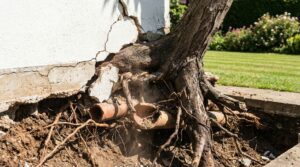
Roots extending over 20 meters crack walls and lift pavements
The weeping willow is notorious for its invasive root system, which can stretch up to 25 meters underground. These roots exert pressure on foundations, causing cracks that often go unnoticed until severe damage occurs. « We’ve seen cases where entire patios were lifted by willow roots, leading to structural instability », explains Isabelle Martin.
Such damage is particularly acute on clay soils, common in many French regions, where the soil expands and contracts with moisture. The presence of large trees like willows or oaks near houses amplifies these movements, worsening wall fissures. Local authorities in Normandy report a 15% rise in foundation repair requests linked to tree root damage since 2023.
Homeowners often underestimate the risk. « I planted a willow in my garden ten years ago, and only recently did I realize it was the cause of the cracks in my basement walls », confides Jean-Luc Bernard, a resident of Rouen. Repairs cost him over 12,000 euros, a heavy burden for a retired teacher.
Tree roots infiltrate septic tanks and pipes, causing blockages and floods
Beyond structural damage, certain trees pose a threat to underground plumbing. Species such as prunus, poplar, silver maple, acacia, eucalyptus, and fig have roots that aggressively seek moisture, often invading septic tanks and drainage pipes. This intrusion leads to blockages and costly flooding.
« Roots can penetrate tiny cracks in pipes, expanding them over time until complete obstruction occurs », indicates Dr. Marc Lefèvre, a soil and water systems specialist. « The repair bills can easily reach 8,000 to 15,000 euros, especially in older homes with fragile plumbing ». In the Paris region, municipal services report a 20% increase in emergency plumbing interventions linked to tree root damage since 2024.
Some homeowners remain unaware of the connection. « When my basement flooded last year, I never suspected the silver maple outside », says Claire Dubois from Versailles. « The plumber found roots inside the pipes, which was a shock ». Experts recommend planting such trees at least 10 meters away from sewage systems.
Branches and foliage cause additional damage and health issues
The horse chestnut is often admired for its flowers but has fragile wood prone to breaking. Falling branches can damage roofs, cars, and garden furniture. Moreover, its leaves and conkers frequently clog gutters, leading to water overflow and dampness inside homes.
Dense foliage from trees like magnolia and silver maple blocks drainage conduits, fostering humidity and infiltration problems. « We observe increased mold growth in houses surrounded by these species », notes Dr. Sophie Laurent, an environmental health expert. This situation worsens in humid climates or poorly ventilated homes.
Allergy sufferers face additional challenges. Acacia and birch trees release highly allergenic pollen, which can severely affect asthmatics if planted within 10 meters of windows. « Patients report worsened symptoms during spring when these trees bloom », confirms allergist Dr. Pierre Moreau.
Unpleasant odors and planting distances to preserve your home
The Chinese pear emits a foul smell during flowering, reminiscent of decaying fish, which can last several days. This odor discourages homeowners from airing their houses, potentially impacting indoor air quality. « It’s a nuisance that many ignore until it becomes unbearable », says Marie-Claire Fontaine, a horticulturist in Lyon.
💡 How One Simple Plant Kills Mold And Moisture Fast
💡 5 reasons this trendy material beats dirty tiles in bathroom design
Experts advise respecting minimum planting distances to avoid these issues. Large trees like oaks and willows should be planted 10 to 15 meters from buildings. Medium-sized species such as silver maple and prunus require 5 to 10 meters, while smaller shrubs need at least 2 to 3 meters.
« Proper planning is essential to protect both your property and your health », emphasizes Isabelle Martin. « Ignoring these guidelines often leads to expensive repairs and discomfort ». Municipal gardening services increasingly provide advice to residents, aiming to reduce damage caused by inappropriate tree planting.

At 38, I am a proud and passionate geek. My world revolves around comics, the latest cult series, and everything that makes pop culture tick. On this blog, I open the doors to my ‘lair’ to share my top picks, my reviews, and my life as a collector
- Never plant these 12 trees near your house: they crack walls and sabotage your pipes
- 5 simple tricks to keep your sofa spotless and fresh every day
- How One Simple Plant Kills Mold And Moisture Fast

- 3 planting dates one surprising result you must know
- 5 expert tips for sparkling clean homes without toxic chemicals
- 5 reasons this trendy material beats dirty tiles in bathroom design
- Replace commercial dishwasher tabs fast with this powerful DIY recipe
- Where to Place Your Sofa to Make Your Living Room Look Larger: Interior Designers’ Secret Rule Revealed


Comments
Leave a comment